'%3e%3cpath%20d='M31.96%2042.4211V31.2583H35.3337L35.8398%2026.9067H31.96V24.1288C31.96%2022.8693%2032.2738%2022.011%2033.9025%2022.011L35.9764%2022.01V18.1178C35.6177%2018.066%2034.3866%2017.9474%2032.9537%2017.9474C29.9616%2017.9474%2027.9132%2019.975%2027.9132%2023.6978V26.9067H24.5293V31.2583H27.9132V42.4211H31.96Z'%20fill='white'/%3e%3c/g%3e%3cdefs%3e%3cclipPath%20id='clip0_820_4965'%3e%3crect%20width='22.8941'%20height='24.4737'%20fill='white'%20transform='translate(19.6235%2017.9474)'/%3e%3c/clipPath%3e%3c/defs%3e%3c/svg%3e)
'%3e%3cpath%20d='M36.9363%2019.0706H25.6868C22.0255%2019.0706%2019.0469%2022.0424%2019.0469%2025.6954V36.9196C19.0469%2040.5724%2022.0255%2043.5442%2025.6868%2043.5442H36.9365C40.5976%2043.5442%2043.5762%2040.5724%2043.5762%2036.9196V25.6954C43.5762%2022.0424%2040.5976%2019.0706%2036.9363%2019.0706ZM31.3116%2037.9992C27.6132%2037.9992%2024.6045%2034.9973%2024.6045%2031.3074C24.6045%2027.6174%2027.6132%2024.6156%2031.3116%2024.6156C35.0099%2024.6156%2038.0186%2027.6174%2038.0186%2031.3074C38.0186%2034.9973%2035.0099%2037.9992%2031.3116%2037.9992ZM38.179%2026.1937C37.0861%2026.1937%2036.1972%2025.3068%2036.1972%2024.2163C36.1972%2023.1259%2037.0861%2022.2388%2038.179%2022.2388C39.272%2022.2388%2040.161%2023.1259%2040.161%2024.2163C40.161%2025.3067%2039.2719%2026.1937%2038.179%2026.1937Z'%20fill='white'/%3e%3cpath%20d='M37.8527%2023.9653C37.402%2023.9653%2037.0352%2024.3315%2037.0352%2024.7811C37.0352%2025.2308%2037.402%2025.5969%2037.8527%2025.5969C38.3036%2025.5969%2038.6704%2025.2311%2038.6704%2024.7811C38.6704%2024.3312%2038.3036%2023.9653%2037.8527%2023.9653Z'%20fill='white'/%3e%3cpath%20d='M27.2234%2031.3073C27.2234%2029.0581%2029.0575%2027.2284%2031.3116%2027.2284C33.5659%2027.2284%2035.3999%2029.0581%2035.3999%2031.3073C35.3999%2033.5564%2033.5659%2035.3863%2031.3116%2035.3863C29.0575%2035.3863%2027.2234%2033.5564%2027.2234%2031.3073Z'%20fill='white'/%3e%3c/g%3e%3cdefs%3e%3cclipPath%20id='clip0_820_4970'%3e%3crect%20width='24.5294'%20height='24.4737'%20fill='white'%20transform='translate(19.0469%2019.0706)'/%3e%3c/clipPath%3e%3c/defs%3e%3c/svg%3e)


Is Fire Kirin a Good Fit for Your Game Room? An Operator Checklist
Fire Kirin is a well-known gaming system, but name recognition alone does not make it the right choice for every game room. An operator should evaluate the platform against the needs of the specific location: customer demand, the current game mix, equipment and staffing requirements, support, and the practical results of a limited trial. The goal is to decide whether Fire Kirin fits the business, not to treat it as a universal must-have.
Start With Demand at Your Own Location
Begin with evidence from your own customers. Review direct requests for Fire Kirin, but also look at broader patterns: which game styles receive the most interest, which systems customers already use, and where the current lineup appears to have gaps.
A recognizable brand can make customers more willing to ask about a platform, but recognition does not guarantee sustained demand. A system that performs well in one location may receive limited interest in another because the audience, local competition, or existing lineup is different.
If possible, record customer requests for a period of time instead of relying on individual comments. The purpose is not to create a perfect forecast. It is to make the decision using local information rather than general claims about popularity.
Review the Fish and Slot-Style Game Offering
The current source material identifies slot-style games and fish games as important parts of the Fire Kirin offering. For operators, the useful question is how the current catalog fits the preferences of the location’s customers.
Ask for an up-to-date game list and review whether the mix adds something that is missing from the existing lineup. Also confirm how catalog updates are handled and whether any titles or game types have territorial restrictions. Do not assume that every title shown elsewhere is available under the account or in the jurisdiction where the business operates.
Avoid labeling fish games as legally “skill-based” unless that classification is confirmed for the specific product and jurisdiction. Game style and legal category are not the same thing.
Check How It Fits Your Existing Operations
Fire Kirin business setup should be reviewed as part of the location’s existing workflow. Confirm what equipment is required, how the backend is accessed, what staff need to learn, which support channels are available, and how long routine support requests normally take under the actual service agreement.
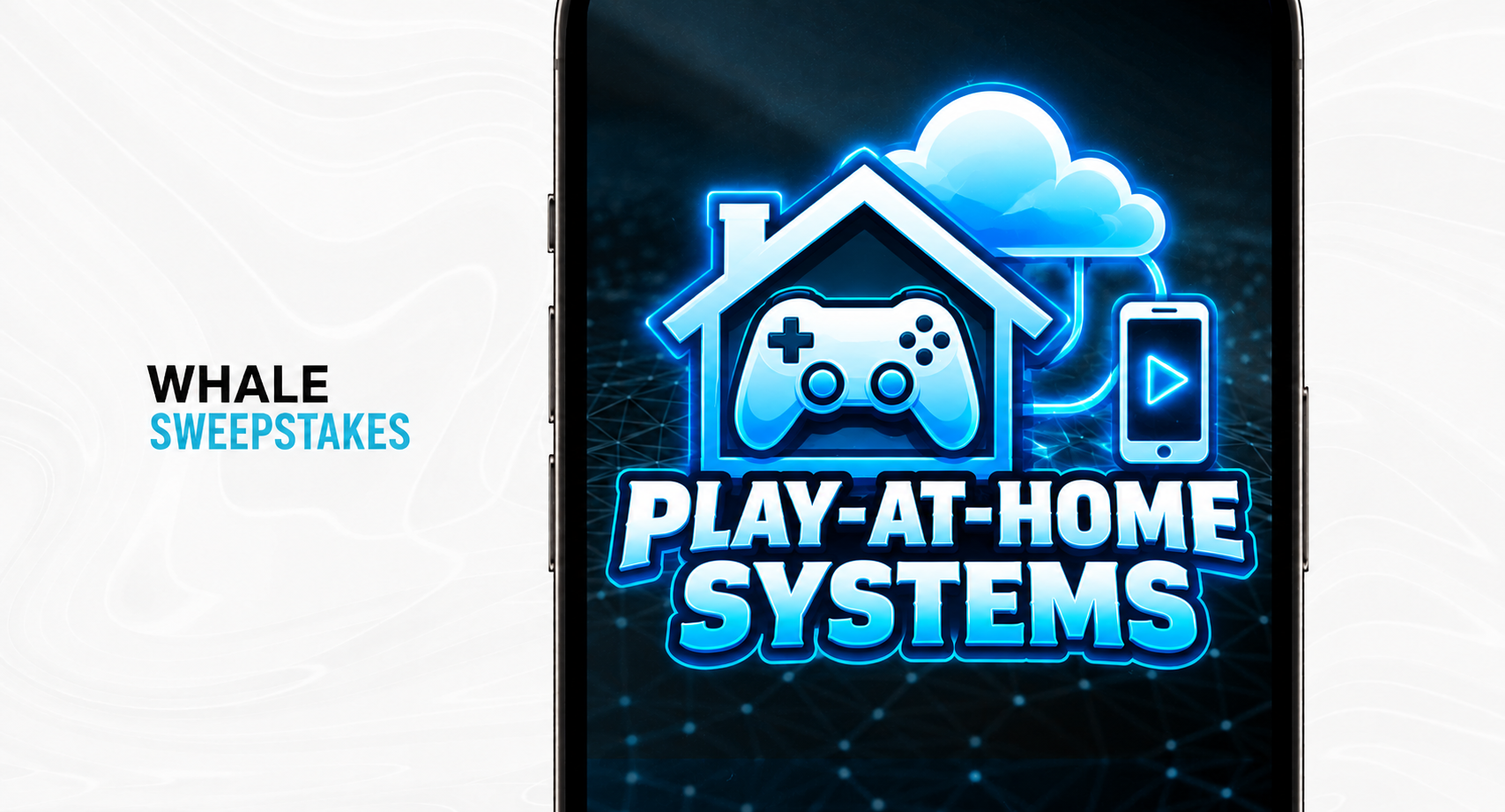
If remote or play-at-home access is being considered, verify whether it is available for the specific configuration and territory. Ask what devices and network conditions are required and what responsibilities fall on the operator versus the distributor.
A useful setup review also covers who handles installation, account creation, troubleshooting, and staff training. Any feature that is unfamiliar or unclear should be treated as a question to confirm, not as an assumption to publish.
Define What a Successful Trial Would Look Like
A trial is useful only if the operator knows what it is supposed to measure. Before starting, define the budget, trial period, staff training plan, support process, and the signs of genuine customer interest.
During the trial, record operational issues: how easy the system is to manage, how quickly staff become comfortable with the workflow, whether equipment remains stable, how support responds, and whether customers actually ask to use the platform.
Do not use a short trial as proof of future profit. A few days can reveal setup problems and usability issues, but longer-term demand can change with seasonality, local events, and customer mix. The trial should help determine fit, not promise financial results.
FAQ
What should operators check before adding Fire Kirin?
Check local demand, the current game catalog, equipment requirements, backend workflow, staff training, support responsibilities, and any location-specific or territorial limitations.
Does customer recognition guarantee demand at a location?
No. Brand recognition can influence interest, but the operator still needs to evaluate actual customer requests and the way the platform fits the existing lineup.
What support and setup details should a distributor explain?
The distributor should explain the equipment and network requirements, account and setup process, available support channels, service responsibilities, training expectations, and any limitations that apply to the proposed configuration.
Review the Fire Kirin product page on Whale Sweepstakes and contact the team to confirm the setup available for your location.